&geometry(156x161) "Over the Top Heating & Cooling")
Before the Deep Freeze: How to Prep Your Furnace for a -30°C Alberta Cold Snap
 "Before the Deep Freeze: How to Prep Your Furnace for a -30°C Alberta Cold Snap")
How to Get Your Home Ready for a -30°C Cold Snap (HVAC Tips from a Local Pro)
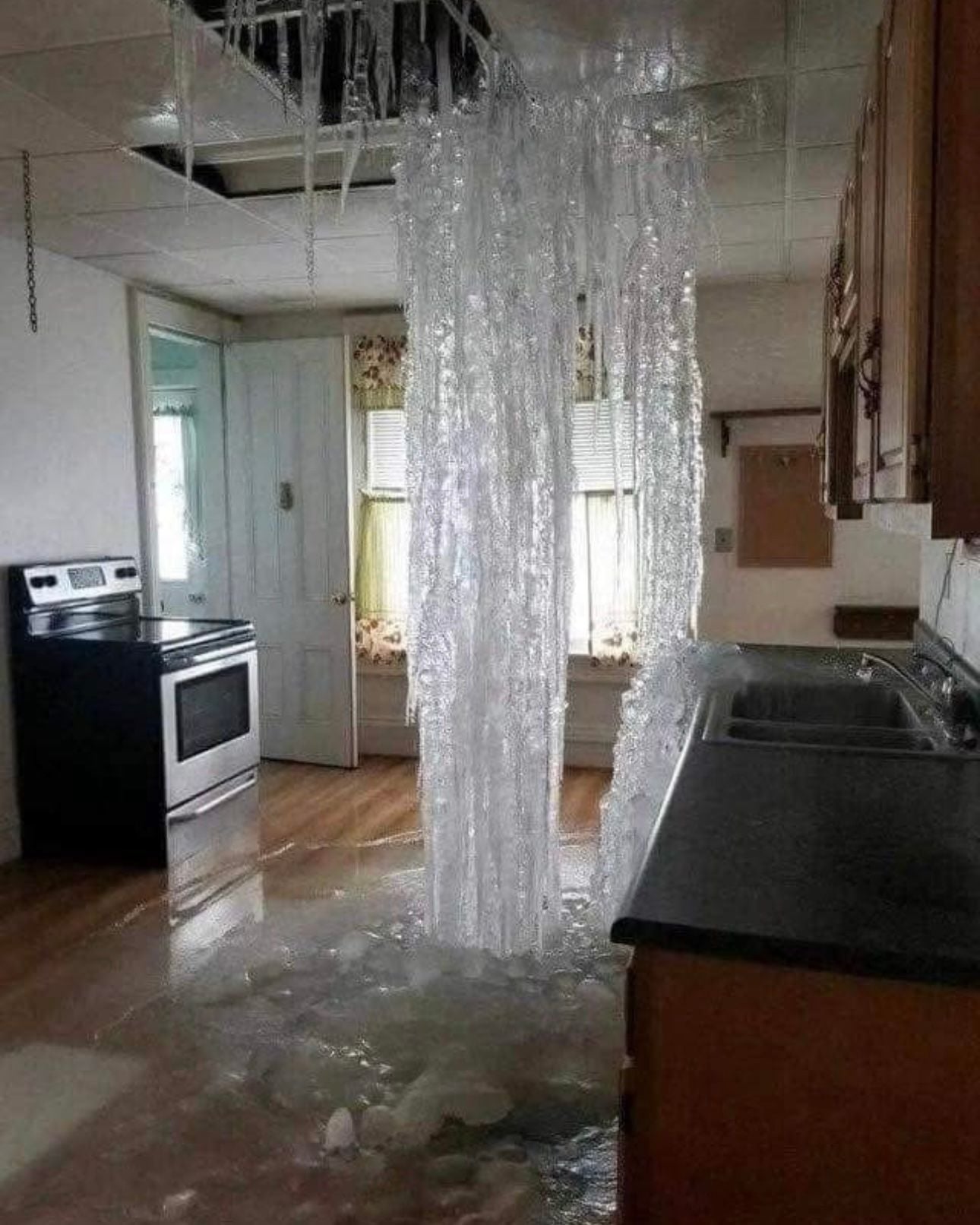
When the forecast starts talking about -30°C windchill, that’s not the time to start thinking about your furnace. In Alberta, cold snaps can come on fast, and if your heating system isn’t ready, you can end up with a freezing house, burst pipes, and an emergency service call at the worst possible time.
Here are practical, HVAC-focused steps homeowners can take before the deep freeze hits to help keep the heat on and reduce the risk of damage.
1. Check and Change Your Furnace Filter
A plugged or dirty filter is one of the most common reasons a furnace struggles or shuts down during extreme cold.
Pull the filter out and hold it up to the light. If you can’t see much light through it, it’s time for a change.
Make sure the new filter is the correct size and installed in the right direction (arrow pointing toward the furnace).
Avoid super-restrictive “allergen” filters unless your system is designed for them—they can choke airflow and stress the furnace.
Rule of thumb: in our dry, dusty winters, most homes should check/change filters every 1–3 months, more often if you have pets, renovations, or smoke in the home.
2. Make Sure All Supply and Return Vents Are Open
Closed or blocked vents can:
Reduce airflow
Cause hot and cold spots
Add strain to your furnace and blower motor
Walk through the house and:
Open all supply vents, especially in rooms over garages, basements, and far ends of the house.
Clear return air grilles (the bigger vents, often on walls or low on floors) from furniture, curtains, boxes, etc.
During a cold snap, you want your system breathing as easily as possible.
3. Inspect the Furnace Area and Mechanical Room
Your furnace room is your home’s “engine bay.” A few quick checks can go a long way:
Keep at least 3 feet of clearance around the furnace so it can get the air it needs and so a tech can actually work on it if needed.
Don’t store paints, gasoline, cleaners, or other chemicals right beside the furnace—fumes can be pulled into the system and are a safety risk.
If you have a floor drain nearby, make sure it’s clear (no boxes or junk piled over it). In the event of a leak, you want water going to a drain, not into finished areas.
4. Check Your Outdoor Intake and Exhaust Pipes
For high-efficiency furnaces, heat recovery ventilators (HRVs), and some water heaters, frozen or blocked vent pipes are a big cause of no-heat calls during cold snaps.
Before the temperature plunges:
Find the PVC pipes that come out of the side of your house near the foundation (often 2–3" white or grey plastic).
Make sure they’re not buried in snow, blocked by ice build-up, or covered in frost.
Clear away snowbanks, leaves, and debris so air can move freely.
During a deep cold snap:
Do a quick visual check once or twice a day.
If you notice heavy frost or ice, gently clear it away—do not use sharp tools that might crack the pipe.
If your furnace keeps tripping off and you see thick frost buildup on the vent or intake, it’s time to call a pro.
5. Protect Vulnerable Water Lines from Freezing
Your HVAC system and your plumbing are very connected when the house gets cold.
To help prevent frozen pipes:
Keep doors open to rooms with plumbing (ensuite, main bath, laundry, mechanical room).
Avoid closing off heat to “unused” rooms if they have water lines in the walls or floors.
In extreme cold, you can open cabinet doors under sinks on exterior walls so warm air can reach the pipes.
If you have known problem spots, keep an eye on them—an infrared heater or small space heater (used safely and properly) can help in some cases.
If your furnace fails and the house is dropping in temperature, shut off the main water and open a tap to relieve pressure—frozen, pressurized lines can burst and cause major damage when they thaw.
6. Test Your Thermostat Before It’s Emergency Time
The thermostat is the “brains” of the system and gets overlooked all the time.
Replace the batteries if it’s a battery-powered thermostat (cheap insurance before a cold snap).
Switch the system to HEAT and watch the furnace start a full cycle—don’t just assume it works because it worked last season.
Make sure your thermostat isn’t blocked by furniture or placed where it gets direct sunlight or drafty air, which can cause inaccurate readings.
If the thermostat is unresponsive, flickers, or drops out randomly, fixing or replacing it before the temperature plummets can prevent an emergency.
7. Listen to Your Furnace: Noises, Smells, and Short Cycling
A cold snap tends to push a struggling furnace over the edge. A few signs to watch for before the deep freeze:
New or loud noises: grinding, screeching, banging, or rattling
Burning or electrical smells that don’t clear after the first few minutes of a heating cycle
Short cycling: furnace turns on, runs for a short time, shuts off, then starts again repeatedly
Any of these are good reasons to book a professional inspection while the weather is mild enough that you’re not in panic mode.
8. Schedule a Professional Furnace Tune-Up
A homeowner can do a lot, but there are things that should be checked by a licensed tech, like:
Combustion analysis and gas pressure
Heat exchanger condition
Safety controls, flame sensor, ignition system
Blower motor amperage and bearings
Overall static pressure and airflow
Ideally, you want this done before the deep cold arrives. A good tune-up can catch small issues (weak pressure switch, dirty flame sensor, marginal inducer, etc.) that tend to fail when the furnace is running non-stop at -30°C.
You could add a local CTA here, for example:
At Over the Top Heating, we recommend yearly maintenance for furnaces in Stony Plain, Spruce Grove, Parkland County, and Edmonton—especially before an Alberta deep freeze.
9. Know Where Your Shut-Offs Are
In a true emergency, seconds matter. Take five minutes to find:
The electrical disconnect or breaker for your furnace
The gas shut-off to the furnace
The main water shut-off to the house
Label them if they aren’t already. If something starts leaking, sparking, or behaving dangerously in the middle of the night, knowing what to shut off and where can prevent a small problem from turning into a disaster.
10. Have a Backup Plan if the Heat Goes Out
Even if you do everything right, equipment can still fail. It’s smart to have a plan for:
Temporary heat sources (safe space heaters, fireplace, etc.)
Who you’ll call if the furnace quits (have the phone number saved in your contacts)
A basic emergency kit: warm blankets, batteries, flashlights, and a way to charge phones
If you have elderly family, small children, or pets in the home, planning ahead is especially important.
Final Thoughts: A Little Prep Goes a Long Way
You can’t control the weather, but you can control how prepared your home is for it.
Change or check your filter
Clear vents and mechanical areas
Make sure intake and exhaust pipes are free and clear
Watch for early warning signs from your furnace
Get a professional tune-up before the cold snap hits
If you’re in Stony Plain, Spruce Grove, Parkland County, or the Edmonton area and want help getting your home ready for the next deep freeze, Over the Top Heating is always happy to take a look and give honest recommendations.
| Tags:HVAC MaitenanceHVAC PRO'SDIYFurnacefurnace. |